Frequently Asked Questions About Denim Tears
These are the questions that come up repeatedly from people new to the label and from owners trying to look after a piece properly. The answers are kept factual, and prices are given as 2026 market estimates rather than fixed quotes, because this brand’s pricing moves with availability. Where a question touches the cotton wreath, the answer stays close to what the brand itself has stated about the motif. Sizing and care notes reflect how heavyweight cotton generally behaves and should be checked against your own garment’s tag. It is no stand-in for handling a piece in person or asking a seller direct questions. Start anywhere; the order runs roughly from general to practical.
What exactly is Denim Tears?
Founded in 2019 by Tremaine Emory, Denim Tears is an American clothing label. It sits between streetwear and cultural commentary, using garments as a vehicle for historical reference rather than decoration. Its signature graphic is the cotton wreath motif, applied most famously to Levi’s 501 jeans, hoodies and sweatpants. Rather than following a seasonal schedule, output arrives in limited, irregular drops — hence the uneven availability. The catalogue remains deliberately narrow — denim, fleece, jersey and a few accessories. Because of that focus, individual pieces hold their identity years after release.
What does the cotton wreath stand for?
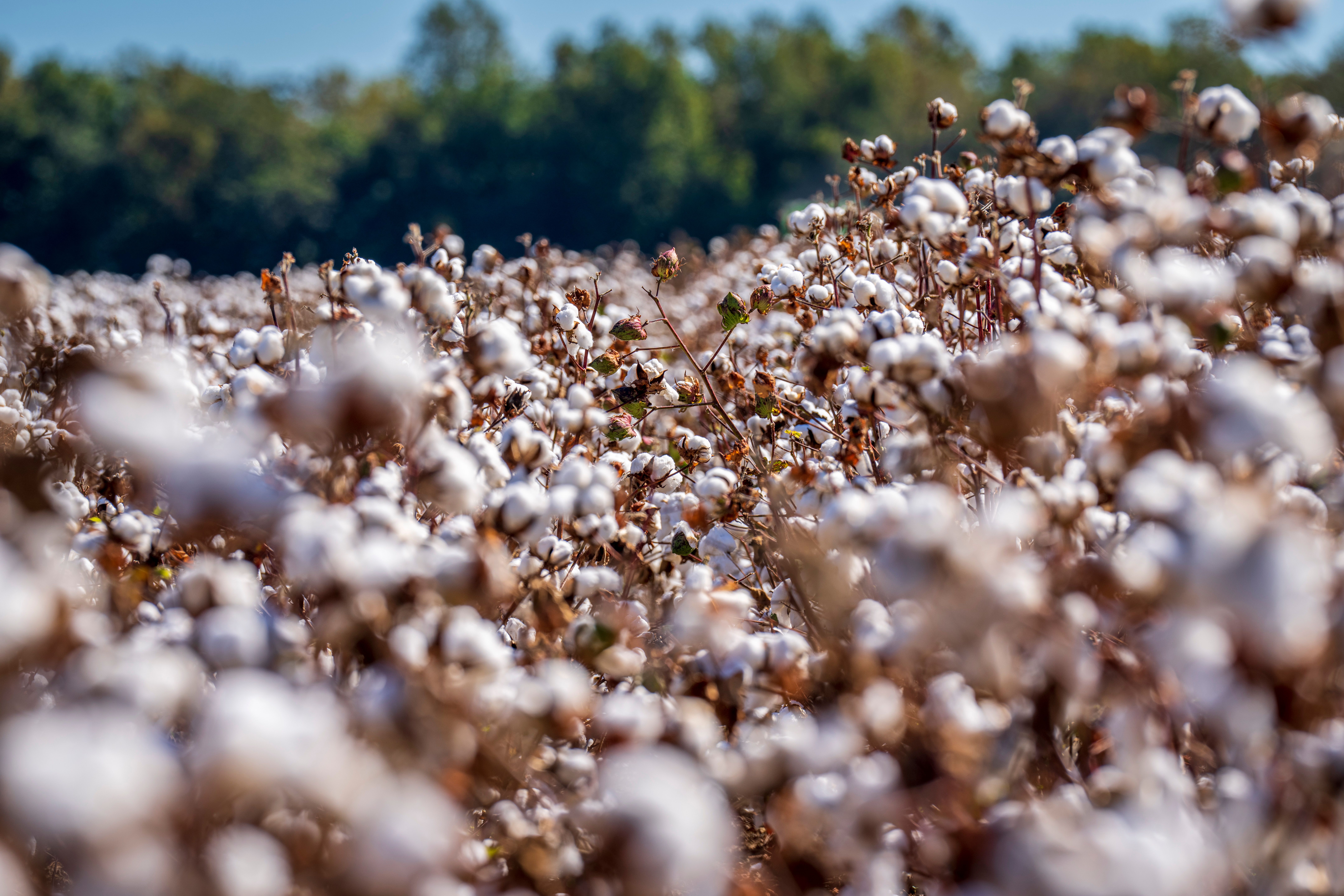
The history of cotton, the transatlantic slave trade and African-American experience are what the cotton wreath calls on. Cotton sat at the centre of American slavery as a crop, and a wreath of cotton bolls on a garment turns that history into something worn rather than read about. The wreath as mens streetwear a shape carries associations of memorial and commemoration, and that is why the motif reads as solemn rather than ornamental. The point sharpens considerably when the motif is applied to Levi’s denim, a garment woven into American self-image. It is the central idea of the brand rather than a seasonal graphic, and it appears across nearly every category. Anyone buying a piece takes on that reference along with the garment, and it is worth understanding first.
How much does a Denim Tears hoodie cost in 2026?
Estimated 2026 retail for a denim tears hoodie usually falls in the $250-400 range, depending on weight, print and colourway. On resale the same piece often asks roughly $280 to $600, with older or scarcer colourways higher. Prices are seasonal, firming from October to December and easing through late spring by something like 15-25%. Across retail the estimated ranges are these: denim tears jeans $300-500, tees $100-200, sweatpants $250-350, denim tears shorts $180-280. Fees, shipping and duty commonly add another 15-25% to a resale purchase, so the headline number is rarely the final one. None of these figures are quotations; they are moving market estimates.
Does it run true to size, or should I size up?
Most fleece is cut boxy, with a wide chest and short body, so it wears larger than a standard sweatshirt in the same size. If you want the intended silhouette, stick with your normal size; if you want it genuinely oversized, one size up will usually do it. Expect the Levi’s 501 pattern to behave as it always does: a true straight leg and a firm waist that gives slightly as rigid denim relaxes. Tees run fuller than a standard fitted tee and shrink somewhat in the body on a warm wash. No category varies between releases more than shorts, which makes measurements more useful than the letter on the tag. When you are unsure, get a flat-lay chest and length from the seller rather than trusting size alone.
| Item | Character of the fit | Size recommendation | Estimated retail in 2026 |
|---|---|---|---|
| Hooded fleece | Boxy cut, wide chest, short body | Your normal size; one up if you want it oversized | $250-400 |
| Denim jeans | True straight, firm waist | Stick with your normal waist | $300-500 |
| Tee | Full in the body and the sleeve | True to size; expect slight shrink | $100-200 |
| Fleece sweatpants | Relaxed through the leg, elasticated waist | Take your usual size | $250-350 |
| Short lengths | Differs release to release | Read the measurements, ignore the tag | $180-280 |
Which partnerships has the brand had?
Best known of all is the Levi’s partnership, the one most tied to the label’s identity and centred on the wreath-printed 501. Working with Converse brought the motif onto canvas footwear silhouettes. Collaborative apparel with Stüssy has brought together two labels holding distinct places in streetwear history. Dior is the furthest reach into luxury, connecting the wreath to a European house with a different customer base. Separately, Tremaine Emory served as Supreme’s creative director from 2022 to 2023. At the top of the resale market are the collaborative pieces, which pull collectors from both brands instead of one.
Why is buying at retail so hard?
The releases are small, the announcements come with short lead time, and the channels are few. On the official webstore the popular sizes are gone within minutes, with automated buying tools competing against ordinary shoppers. Because stockists get limited allocations and often buy part of a collection, a piece might be available in two sizes and one colour. What remains is the secondary market as the practical default, especially where a piece is more than a season old. The scarcity is structural rather than temporary, and it has held steady since roughly 2020. The single most effective move for a retail buyer is to prepare an account with saved details in advance.
How can I tell a fake from the real thing?
Start with the print rather than the label, since counterfeits most often fail on the wreath itself. Copies tend to read as too thin or slightly blurred at the boundaries, whereas genuine prints have consistent density, clean edges and correctly proportioned cotton bolls. The neck label and internal wash tag need to have correct fonts, straight stitching and a fabric composition consistent with the era of the release. Weight is a strong signal on fleece — authentic pieces feel considerably heavier than a standard hoodie of the same size. Anything priced more than about 40% below the going market rate should be treated as a warning rather than a bargain. Live photographs of the actual garment — tags included — should be requested before any money changes hands.
How do I care for and store my pieces?
Cold water, inside out, gentle cycle, small load — that keeps the print from being abraded against zips or hardware. Heat causes cracking and loss of density, so keep printed fleece and jersey out of the tumble dryer entirely. Hang or lay flat to dry, and reshape the shoulders while damp to preserve the boxy cut. Far longer between washes than most people expect is ideal for rigid denim, and it protects both colour and print. Folded storage in a dry space is preferable to a thin hanger, which stretches the shoulder line over months. Careful laundering is also the largest single factor in whether a piece holds value if you ever resell it.
Are a denim hoodie and a fleece hoodie the same?
No, and the difference matters more than the shared name suggests. A denim hoodie is made from woven denim, which means it holds its shape, blocks wind and works as a light outer layer. A fleece hoodie is knit, softer, warmer against the skin and meant to be layered under something else in cold weather. That makes the denim version the better spring and early autumn piece, roughly in the 10 to 18 degree Celsius range. Denim also ages visibly, developing fades at the elbows and cuffs that many owners consider the point. Already have one? The other is a genuinely different purchase rather than a duplicate.
Do these pieces hold value on the resale market?
Some do, and the pattern is fairly consistent by category rather than by individual item. Collaboration denim has typically held strongest, with estimated 2026 asks often between about 1.3x and 2.5x original retail. In the broad middle, around 1.0x to 1.6x, is fleece; tees and shorts frequently trade at or slightly under retail. A quarter of the total can depend on condition, size and the month you choose to list. Treat none of it as a guarantee — resale prices can fall as easily as rise, and this is not investment reasoning. Safest of all: buy what you intend to wear, at a price you would still accept if the market cooled.
How is it spelled — Denim Tears, denimtears, or something else?
The brand name is two words, Denim Tears, and that is how it appears on the label’s own materials. Because people type quickly and drop the space, compressed forms like denimtears are everywhere in search boxes and social handles. Variants such as denim tear shirt are common misspellings rather than separate products, and they usually lead to exactly the same tees and shirts. Counterfeit listings often lean on misspelled variants to dodge trademark enforcement, which makes the spelling a practical matter. Run both spellings when searching secondhand; together they surface listings that neither turns up on its own. At the point of purchase, however, check the garment and not the spelling in the title, because a correctly spelled listing proves nothing.