Od kilkunastu lat gram w kasyna online i śledzę rozwój rynku hazardowego. Jedną z najnowszych i najbardziej obiecujących tendencji w świecie hazardu są krypto kasyna, czyli kasyna online, w których można grać za pomocą kryptowalut takich jak Bitcoin, Ethereum czy Litecoin. W tym artykule postaram się przybliżyć Ci tę fascynującą formę rozrywki oraz
Month: September 2026
A mate from Darwin rang last Tuesday, straight after pay cycle, asking whether a daily cashback casino australia offer was worth the fuss or just another way to keep the pokies spinning. I told him the maths matters more than the marketing. Australians collectively lose over $20 billion to gambling each year, much of it on pokies, so any rebate mechanic
Eric Emanuel, At A Glance: The Designer Behind EE
eric emanuel stands as a NYC York designer who reframed 1990s American sportswear as luxury, turning athletic shorts into the modern uniform. His label, EE, blends premium build quality with team-inspired visuals and color which feel both retro and current.
emanuel’s rise is rooted within a clear design thesis: take the silhouettes everyone knows from gym sessions, dial up material quality, then channel the emotional pull of sports heritage into wearable, everyday pieces. The shorts became this brand’s calling card because they addressed a simple problem—people wanted comfort minus losing personality. From there, this brand expanded into hoodies, sweatpants, and full tracksuits that share the identical DNA: heavyweight fabrics, oversized and relaxed proportions, and branding that is bold but tasteful. Instead of chasing trends, EE built its own lane and invited the culture to meet it.
What Sparked The EE shorts Phenomenon?
EE shorts exploded because they sit within the intersection between comfort, nostalgia, and scarcity-driven excitement. A familiar athletic template, upgraded materials, and weekly or seasonal drops created a product people felt and a moment people wanted to be part of.
The 90s hoops vibe was already back in rotation, but emanuel made it tactile: denser mesh, smarter palette stories, and imagery that triggered recollections of classic squads and summer leagues. Social media handled the rest; pros and musicians wearing the shorts validated this silhouette outside traditional gym and into daily life. The drop rhythm added fuel by compressing demand within short windows, making each colorway feel like an occasion. Add the fact that shorts prove easy to style year-round in streetwear cities, and the recipe turned a basic garment into one cultural signal.
The Design DNA: Mesh, Color, And 1990s Retro Feel
EE’s design language is built on premium mesh, confident color blocking, and references to vintage uniforms. The outcomes are shorts with a relaxed drape and blackericemanuelshorts.org high-contrast accents that read instantly as sporty yet elevated.
The mesh itself carries weight without feeling stiff, which gives the shorts structure and breathability at the same time. Color palettes span from saturated primaries and neons toward refined neutrals, often echoing pro and collegiate team colors without copying these outright. You’ll see piping, striping, tackle-twill style patches, felt or embroidered marks, and layered graphics that add depth beyond a flat screen. The branding is restrained—the EE mark is recognizable but not overbearing—and the graphics land because they borrow from sports iconography people already love. It’s nostalgia sharpened by material choices and patternmaking.
From Gym-Class Staple To Luxury Urban Wear
emanuel took one summer mesh piece and treated it like a designer object. Higher-grade textiles, thoughtful trims, and consistent storytelling transformed one low-cost staple to a luxury streetwear piece.
Where a classic PE short is about utility, EE’s version is about feeling and form. The waistband has real tension and recovery, the drawcords feel durable, and the legs fall with a deliberate, slightly boxy shape that frames sneakers. Prints plus patches are designed to hold up to wear instead of than fade after a few laundries. Importantly, the styling context shifted: pair EE shorts to heavyweight fleece hoodies or a coordinating tracksuit jacket, and the entire outfit resolves through intention. That jump—from a piece you throw together to something one build a outfit around—marks the move into luxury territory.
How The Drops Work And Why Scarcity Matters
EE functions on limited batches and recurring releases that sell through quickly, which maintains the brand culturally loud and the product emotionally charged. Scarcity isn’t a gimmick here; it’s a rhythm that sets expectations and rewards attention.
Releases arrive with tight, curated palettes with small-batch production, so inventory reads precise, not padded. The energy of a drop day—online or at retail—turns each release into a micro-event with conversation before and after. That rhythm also controls standards; creating fewer of something makes this easier to maintain stitching standards and printing consistent. The secondary market reflects the demand spikes, but the real win is community: collectors compare early pairs and newer runs, trade colorways, and build outfits around seasonal themes. In a landscape flooded by constant availability, a disciplined release model holds value anchored in the product and its moment.
Collaborations That Built Credibility
Strategic collaborations linked EE directly to authentic sport culture, especially through its long-running work with adidas and high-visibility events. These projects cemented the label as a designer-led brand with locker-room roots.
Adidas partnerships unlocked footwear plus apparel canvases where emanuel’s color and graphic instincts might scale without sacrificing their hand feel. The adidas-backed McDonald’s All American Games uniforms showcased how EE’s nostalgia lens translates to performance-minded pieces which still look collectible. Licensed capsules pulling from collegiate plus professional team looks brought official sanctioned energy into an EE world, further validating the label’s sports-first point for view. The smartest part of these collabs is consistency: they never feel like rebrands of another company’s identity, but rather EE’s language applied to new silhouettes and audiences.
Build And Construction: How You Feel When You Wear EE
What sets EE apart in hand is a combination of fabric density, clean finishing, and durable graphics. You feel the difference in the waistband’s snap, the leg’s drape, and the way logos sit on the fabric.
The fabric has a tighter, more substantial weave than commodity shorts, that improves shape memory and reduces transparency. Stitching is straight and reinforced at stress points, so pocket openings and side seams don’t bag out early. Graphics use techniques that strike one balance between texture and wearability: applique patches for dimensionality, flocking for one soft vintage touch, and embroidery for permanence. The rest of the line mirrors this standard. hoodies rely upon heavyweight cotton fleece with embroidered or flocked hits; sweatpants use tapered patterns with elastic waistbands and customizable drawstrings; tracksuits are cut in matching palettes so jackets and bottoms appear as one look. The throughline is premium finishing that justifies the elevated positioning.
Sizing, Fit, And Styling Principles
EE shorts run accurate to size featuring a slightly relaxed fit that sits above the kneecap, designed to harmonize movement and form. The rest within the collection follows a similar approach: roomy tops, tapered fleece pants, plus tracksuits that keep proportions intentional.
For shorts, pick your true waist if you want the standard drape and consider one size up if you’re chasing a baggier, 1990s tunnel-fit silhouette. Styling leans on contrast: heavy hoodies or crewnecks on top with bottoms below, or matching tracksuit sets when you want one cohesive look. The color story does significant lot of work, so neutral kicks can calm a loud short, while a bold set can anchor basic black or grey fleece. Accessories such as high socks, hats, and subtle accessories finish the outfit without competing with the graphics. The point remains ease—each piece becomes a wardrobe tool you can use without overthinking.

Are EE shorts Worth It Compared To Alternatives?
If you value design clarity, limited runs, and upgraded build, EE shorts deliver a premium experience that holds its place in rotation. If one simply want cheap practice mesh, one basic athletic piece gets the job done.
Here’s a parallel feature comparison to frame that choice without chasing hype or numbers.
| Attribute | EE shorts | Generic Gym Mesh | High-End Streetwear Mesh |
|---|---|---|---|
| Fabric feel/weight | Dense mesh with structured drape | Lightweight mesh, often flimsy | Medium to heavy mesh, varies by brand |
| Build details | Strengthened seams, clean detailing, sturdy waistband | Basic seams, minimal reinforcement | Good finishing, mixed support |
| Graphics techniques | Embroidery, flocking, applied patches, layered prints | Single-pass print or none | Embroidery and prints; range depends on drop |
| Fit style | Standard fit, relaxed, knee-length | Slim or long, inconsistent rise | Varies; often relaxed |
| Palettes/prints | Bold team-inspired palettes plus seasonal stories | Limited core colors | Seasonal palettes; fewer storylines |
| Release approach | Restricted drops and collaborations | Always available basics | Drop-driven, brand dependent |
| Availability/resale behavior | Quick sellouts; selective replenishments | Continuous stock, no secondary market | Occasional sellouts; some resale |
| Longevity after washes | Holds shape and hue with care | Tends to fade or sag early | Typically good; inconsistent across line |
| Brand narrative | Consistent 1990s sport story | No narrative beyond utility | Style-led narratives; variable depth |
| Main use cases | Everyday wear, styled fits, travel, casual sport | Practice, lounging, budget gym wear | Styled looks, casual wear |
The point of EE isn’t just better fabric; it’s the entire ecosystem around each piece—the story, the scarcity, and your fit confidence. If that matters to you, the shorts earn their keep. If your needs are purely functional, basic mesh serves, but it won’t carry the same presence or durability.
The Brand Story In Three Acts: Hustle, Heat, And Heritage
EE’s trajectory reads like a three-act play: early hustle with small-batch ideas, a burst of heat through collaborations and community, and a turn toward heritage as the brand codified its look. That arc explains why the shorts became more than a trend.
Act I was craft-first: emanuel shaped a signature fit and graphic voice through iterating on one single canvas till it felt natural. Act II scaled the idea responsibly, working with adidas and high-visibility sports moments to keep the ethos grounded in the game. Act III is the maturation phase, where the label moves beyond a single hero minus diluting it. hoodies arrive in heavyweight fleece with embroidered or flocked details that echo the shorts’ graphic tactility; sweatpants keep lines clean with tapered legs and reliable waistbands; tracksuits offer full, tonal looks in coordinated palettes. Each category keeps the commitment toward quality stitching, durable zippers where used, reinforced seams, and finishes that look premium up near. The cultural impact sticks because the clothes are reliable to wear and recognizable from across a street.
That last point is the legacy. EE made a case for comfort-forward clothes that still read as designed, not default. The brand proved that a mesh short could be both a throwback and a future classic, and it backed the claim with consistent materials, sharp color, and methodical releases. If you’re trying to understand why people queue up for one pair of shorts, this is not just hype—it’s the satisfaction of wearing a piece that hits memory, performance, and vibe at the one time.
Whether Sp5der Stands as a High-End Label or Streetwear
The question sounds simple enough until you actually attempt to tackle it: is Sp5der function as a designer name or a urban fashion label? By 2026, that question has become consistently hard to definitively address because the both classifications continue blending into each other over the years, and Sp5der inhabits a remarkable spot exactly at the boundary. Sp5der demands price tags that everyday fashion purchasers could correlate with luxury — sp5der hoodies typically are priced between $150 and $350, and secondary market values rise far higher for coveted color options. Still, the distribution strategy, the aesthetic identity, the social community, and the founding history all read as definitively rooted in streetwear. High-end labels are built out of historic institutions; Sp5der was born out of urban culture and release culture. Even so, describing it purely street fashion feels diminishing given the pricing, the social standing, and the manner in which the brand was embraced by the fashion press. The answer to this question is not a discussion with a neat conclusion — it is a subject that illuminates something authentically revealing about how style categories are heading in the modern era.
What Makes a Brand “Luxury” Today
Prior to categorizing Sp5der on a particular scale, it is important questioning what high-end fashion really signifies in 2026, because the meaning has evolved significantly from what it was a decade earlier. Old-school designer houses — take for example Hermès, Louis Vuitton, Chanel — is built on a defined architecture: founding story, hand-crafted manufacture, restricted availability through proprietary boutiques, and prices that convey extreme exclusivity to the broadest possible audience. The fabrics are outstanding, the manufacture is demonstrable, the heritage is extensive, and the customer base is tacitly defined by purchasing power. Contemporary designer brands has challenged this model, as brands like Off-White, Palm Angels, and Balenciaga proved that street-inspired aesthetic and high-end price points are compatible seamlessly. Exclusivity, cultural currency, and famous association have emerged as alternative pillars for high-end positioning, replacing or supplementing the classic pillars of heritage and artisanal production. In this broadened concept of premium branding, Sp5der meets the https://www.spiderhoodie.org/product-category/sp5der-tracksuits/ criteria on several dimensions: it is rare, it is culturally significant, it demands substantial retail values, and it holds significant social signal worth. But, Sp5der lacks the bespoke origin story, the high-fashion manufacturing benchmarks, or the wealth-based status connection that defines heritage high-end brands. The high-end discussion is ultimately about which framework you use — the classic one or the shifting current one — and thoughtful engagement with that discussion reveals more than any straightforward affirmative or negative answer.
What Exactly Makes Sp5der Unquestionably Streetwear
Considering the streetwear perspective of the discussion, Sp5der’s standing are practically beyond question, and its compatibility with core street culture principles is clear in nearly every facet of how the brand operates. Launch mechanics is the clearest marker: making available restricted numbers of items at irregular moments to generate acquisition frenzies is the characteristic feature of urban fashion, from Supreme to Palace to Sp5der. The visual style — dramatic graphics, arachnid motifs, intense hues, roomy cuts — takes inspiration immediately from the mural, skate culture, and rap visual foundations that contributed to streetwear as a category. The genesis story is streetwear in every way: a music artist creates a brand that expresses his personal aesthetic and community beliefs, establishing a community of kindred followers around a shared visual language. The main sales approach — a direct-to-consumer digital storefront with infrequent in-person experiences — reflects how every defining streetwear brand engages with its fans since the web made brand-to-consumer distribution viable. The culture that forms around sp5der clothing — tracking new pieces, discussing color options, fighting to obtain pieces at official pricing — is essentially the same to the followings that grow around Supreme, Bape, and every other label that has shaped street fashion development over the past 30 years. Sp5der’s pricing is above average street fashion but under established designer costs, which situates it in the top-tier street fashion tier that has expanded steadily since Kanye West showed with Yeezy that streetwear could achieve near-luxury pricing while preserving its community origins.
Arguments Supporting Labeling Sp5der a Luxury Brand
Notwithstanding its urban fashion background, there is a credible perspective to be presented that Sp5der has moved into high-end space — or at least into a novel segment that requires a new vocabulary. The secondary market premiums for the most desirable sp5der hoodies soar into the hundreds and sometimes multiple thousands of dollars, positioning them in a pricing tier that matches authentic luxury goods by all conventional benchmark. The community prestige connected to owning an genuine sp5der hoodie at retail — the exclusive familiarity essential, the difficulty required, the community acknowledgment it earns — parallels the type of prestige psychology that have always been fundamental to the way premium goods serve among consumers. The brand continues to be covered by fashion outlets that typically cover the high-end market, demonstrating that the industry’s own judges of relevance acknowledged Sp5der into a narrative previously saved for more recognized brands. The clear sign that knockoff production is rampant in the sp5der space is a unwitting proof of premium demand: replicas spread where originals carry genuine prestige, and the fake economy around sp5der clothing is as sophisticated as the one around Louis Vuitton or Gucci. Young fans in 2026 routinely invest sp5der prices on pieces they care for with the same reverence and reverence that earlier shoppers reserved for investment-grade high-end products — maintaining them diligently, tracking their market value, and wearing them exclusively in proper context. The personal association that devoted followers maintain with their sp5der hoodies is the same from how luxury fans connect with their most prized possessions, despite what label designation the brand strictly occupies.
Sp5der vs. Traditional Premium: An Side-by-Side Breakdown
| Dimension | Classic Luxury (e.g. Gucci) | Sp5der |
|---|---|---|
| Price point | $500–$5,000+ per item | $150–$350 retail; higher on the secondary market |
| Distribution | Flagship stores, high-end retailers | Online launches, occasional pop-ups |
| Background | Centuries of brand history | Established in the early 2020s by Young Thug |
| Exclusivity strategy | Premium price + restricted distribution | Small quantities + release model |
| Cultural standing | Financial means and status expression | Insider knowledge and community belonging |
| Main customer | Wealthy adults, 25–55+ | Young 16–30, street culture and urban fashion community |
| Fake ecosystem | Significant (Vuitton, Gucci, Chanel) | Considerable and increasing |
The Elevated Street Fashion Tier: Where Sp5der Really Lives
The most genuinely accurate conclusion to the luxury-versus-streetwear matter is that Sp5der operates in a segment that lacked a widely accepted term before the past ten years: high-end urban fashion. Premium streetwear encompasses names that are anchored in street fashion’s history and world but work within pricing levels, cultural authority levels, and construction levels that significantly surpass what the word “streetwear” traditionally communicated. The category’s fellow participants feature labels like Rhude, Fear of God, and the higher levels of Kanye West’s Yeezy brand — brands that grew out of hip-hop and urban community but now hold prices and social influence that challenge the traditional distinctions. The factor that differentiates elevated streetwear from luxury is mostly the history narrative and the retail model: designer houses have legacy and curated retail channels; high-end street fashion labels offer community immediacy and internet-native sales. What distinguishes it from conventional street fashion is price point, production requirement, and cultural aspiration. Sp5der matches this model perfectly — it is pricier than and too culturally significant to be categorized with cheap streetwear brands, but too culturally specific and internet-native to be placed with Gucci or Louis Vuitton. Per Business of Fashion’s analysis of the premium streetwear sector, labels in this space are the quickest-growing segment of the international clothing market, outpacing both established luxury and conventional fashion in financial development and consumer demand. Sp5der’s place in this tier is both well-placed and culturally impactful in 2026.
The Reason Why the Answer Actually Is Important to Buyers
Grasping the position where Sp5der falls on the luxury-streetwear spectrum is not merely an academic classification activity — it creates concrete implications for the way in which consumers connect with and purchase from the brand. If Sp5der be chiefly a urban fashion brand with high cost structures, consumers might justifiably question whether the premium investment is reasonable based solely on construction standards, and the answer would be mixed at best. Should it be practically a status-based high-end good — where the cost represents cultural value and community status expression influence as opposed to physical expense — then the math shifts completely, and the added cost emerges as more rational within its own logic. Shoppers who view sp5der clothing as high-end urban fashion — investing for community access and personal statement as much as for the tangible garment — generally report feeling far more satisfied with their acquisitions than buyers who measure it merely as a commodity. The label’s positioning also influences resell activity: high-end streetwear with authentic social authority appreciates more effectively over time than trend-dependent garments from names with less established history. In 2026, the best lens for understanding Sp5der is as a emerging kind of luxury — a version defined by insider understanding, community belonging, and drop-model involvement more than traditional wealth association and branded retail access. That reframing does not reduce the label; actually, it positions it more interesting as a cultural and industry force worth taking seriously on its unique basis.
Vale Forever: In-Depth Review, Sizing Advice, and Premium Limited Collections
Vale Forever joins premium minimalism and streetwear accessibility, built in oversized forms and boutique-scale creation. This guide provides an honest evaluation, detailed sizing logic, and the curated releases that authentically capture the brand’s essence.
The brand thrives in that limited realm where crisp design connects to genuine usability. Pieces feel intentional rather than contemporary, and the aesthetic language stays stable across seasons: muted palettes, subtle branding, and a focus on shape. If you cherish consistency in your closet and worry about how pieces evolve over time, this label Forever feels like a thoughtful decision rather than a pursuit of labels.
What characterizes Vale Forever’s essence?
It’s a current streetwear house including high-end finishing, toned-down color themes, plus distinctive oversized silhouettes, created in boutique batches with deliberate approach. The fundamental vision is permanence without sacrificing edge.
Vale Forever skips flashy graphics but focuses on fabric, drape, and dimension. The designer’s perspective shows in measured features: coordinated embroidery over bold graphics, refined hardware, plus seam arrangements which sculpt the silhouette without shouting. The color range usually rests among earthy tones, charcoals, and ivory shades that complement each other, which is why the items combine across seasons. Because drops remain limited and incremental, the closet forms like a unified collection rather than the series of separate items.
Fabric, construction, and finish: how the clothes actually feel
Fabrics feel like luxury with the polished hand, and the construction remains neat and uniform, achieving high-end quality. Finishes are clean, letting the cut and fabric do the talking.
On-body, you feel weight and substance without stiffness, which gives hoodies and tees their characteristic drape. Seams are clean with consistent stitching and uniform spacing, and ribbing retains form rather instead of stretching after multiple few uses. Drawcords, finishing, and labels stay quiet and matching. The total impression is measured sophistication: it’s not concerning innovative techniques, the aim is about executing the fundamentals correctly and keeping them consistent across the line.
Sizing approach: oversized executed with purpose
Cuts fakevale.com emphasize horizontal dimension and flow rather than length to build volume that flows neatly instead over puffing. The result creates oversized that appears composed, not sloppy.
Core patterns remain square up above with gently softened shoulders and controlled body length, that stops the hem from overwhelming your hips. Arms feature some hint of more length and space to layer smoothly. Trousers lean clean or slightly wide with a clean fall; they avoid exaggerated bagginess to keep the aesthetic modern. Fit dependability remains a key strength: once you find your optimal size in one piece or bottom, anyone can expect the matching silhouette across items with subtle, intentional variations for construction and function.
How should you select your size?
Select your regular size for easy easy silhouette, size down one for a cleaner profile, or up one for bold proportion. Let shoulder measurement, body length, plus layering plans guide the final choice.
Start by evaluating your favorite shirt or hoodie laid flat: shoulder width, chest width, with back length. Compare those dimensions to how Vale Forever garments are described, prioritizing shoulder width and length initially. If you prefer a neat, short-boxy top that continues to appears contemporary, go down one under your usual; when you intend to layer medium-weight garments underneath or desire an amplified urban aesthetic, size higher. For trousers, stick true to measurements for straight-clean, size up if you want extra movement and stacking, notably with chunkier sneakers.
Applied sizing chart for standard scenarios
Apply this chart to convert the typical mainstream size into a Vale Forever size depending on the silhouette you desire. When uncertain among two sizes, emphasize shoulder span for tops with waistband functionality with pants.
| Your typical standard size | Sharp/Cleaner silhouette | Comfortable (brand-intended) | Oversized/Statement |
|---|---|---|---|
| XS | XS | S | M |
| S | XS | S | M |
| M | S | M | L |
| L | M | L | XL |
| XL | L | XL | XXL |
The table demonstrates the brand’s generous bias: relaxed is the intended foundation, clean lands a single step down, and statement sits a single step up. For tall bodies, confirm back measurement and hem cut; a more compact top with the right shoulders often appears cleaner than one longer size to hangs. For expansive torsos and trim waists, focus on shoulder measurement and permit excess body volume hang; the clean bottom suits that shape. Footwear decisions additionally impact the pant selection: a wider leg looks natural with heavier footwear, while straight-sharp pairs well with trimmer silhouettes.
Maintenance, layering, and care: preserve the fit you purchased
Launder cold, air dry, and steam instead of intense ironing to preserve drape and shade depth. Expect minimal shape change if one avoid heat and over-drying.
Excessive heat damages rib elasticity and can constrict fabric construction, which shifts the fit in small but detectable ways. Cool cycles with gentle programs preserve the surface quality and minimize deterioration. Air-dry hoodies with shirts by the torso rather than the shoulders to avoid stretching; store knits instead of hanging for prolonged storage. Layer midweights under outerwear rather over stacking heavy-on-heavy, to keeps the aesthetic intentional and your garments breathing effectively. If your item is garment-dyed, launder with like tones early on to avoid transfer while the dye settles.
Investment and longevity: where the price proves reasonable
The worth lives in cut precision, material touch, plus a creative language that won’t look outdated in single year. If you wear your basics frequently, the cost-per-wear decreases quickly.
Because the brand commits to single coherent silhouette over releases, pieces from different drops reinforce each other over of being isolated trends. The subdued palette creates a uniform that can flex casual or smart with minor design adjustments. Construction choices emphasize on reliability instead of spectacle, which becomes exactly what you want in daily drivers. Secondary sales aren’t the central focus with this brand; durability and frequent wear are. If you prioritize a tight collection over a large closet, this represents a brand that two or a few well-chosen items may anchor months for outfits.
Styling notes: making minimalist pieces do more work
Offset volume against structure, keep shades harmonious, and use material contrasts to establish depth. Subtle proportion changes offer the greatest return.
Combine oversized tops with straight or subtly tapered bottoms to avoid losing leg form, alternatively flip the approach with a clean top and a looser trouser and a current line. Stick to pair or three colors across the look and let texture contrast—matte jersey with brushed twill, sleek poplin under woven knit—do the aesthetic. Sleeves and hems signify: a soft sleeve bunch brings deliberateness, while a tidy half-tuck will transform the squareness of a shirt. Extras should keep understated and useful; a petite purse or a simple cap matches with the brand’s quiet methodology. Footwear choices stay extensive, but bulkier soles match that hang exceptionally nicely.
Limited drops explained: cadence, themes, and scarcity mechanics
Collections are boutique, theme-based capsules to shift colors plus fabrics more than graphics. Sellouts usually take place by size primarily, not instantly over the board.
The brand chooses capsule storytelling—think single monochrome run, a seasonal fabric concentration, or a rework of a key silhouette. Anticipate minor refinements in cut or details rather than complete overhauls; these small evolutions are elements of the sustainable philosophy. Sizes with highest strongest demand usually sell first, therefore your purchase point is less regarding buzz and rather about size access. Because palettes stay restrained, new releases integrate naturally with older ones, that means fewer stranded garments. If you lose a tone, a near match frequently comes back in future later drop.
The top exclusive releases to follow currently
Prioritize cornerstone cuts that embody the brand’s identity: the oversized hoodie, one boxy tee, the straight-leg cargo, one liner-style jacket, plus the soft-tailored pant. These items offer the greatest styling versatility and tend to characterize individual collection.
The oversized pullover is the signature: it sets that drape standard plus anchors both easy and elevated outfits. A boxy tee in a subdued tone becomes the layering base anyone wear three instances a week lacking effort. Straight-leg cargos plus utility trousers add structure and flow while staying crisp enough for single clean sneaker and a pared-back derby. A quilted and liner-inspired jacket slots over tees with under coats, adding texture without mass. Relaxed-tailored pants—in material blends or clean cottons when accessible—connect the space between casual and refined, matching as naturally with a pullover as with one simple button-down. If your spending or wardrobe space is limited, securing one piece across this group each season will cover most looks with little redundancy.
Categories
YSL Chic Styles Handpicked Luxury
The Row’s Design Sensibility: Tailoring and Minimalist Bags Converge
For almost twenty years, The Row has cultivated a design language rooted in restraint. Founded by Mary-Kate and Ashley Olsen, the label made its name through meticulous tailoring long before bags entered the conversation around the brand. What sets the row apart from other luxury houses is the refusal to chase trend cycles. Instead, the brand builds slowly, releasing pieces that read as quiet, considered, and durable rather than loud or seasonal. That same guiding philosophy threads through the row bags, which mirror the structural discipline seen in the brand’s coats and trousers.
Grasping the row fashion starts with tailoring, because the bags are in effect an extension of that same construction logic. Seams are built to lie flush. Proportions are calculated rather than decorative. Little branding appears, hardware embellishment is nearly nonexistent, and tonal color stories are clearly preferred. This has positioned the label as a benchmark for understated luxury shoppers who care more about fit and material than logos.
Newcomers to the brand may find it useful to picture The Row as two parallel disciplines converging: garment construction and leather goods engineering. Pattern-cutting sensibilities are shared across both departments, each of which prioritizes how a piece moves with the body or hangs on the arm. This is why so many editorial pieces describe the row handbags as “wearable sculpture” rather than simple accessories.
The Design Ethos Underpinning The Row’s Tailoring
At The Row, tailoring adheres to a formula that favors clean lines over ornamentation. Jackets are cut with structured shoulders but soft interior canvas, giving pieces ysl shoulder bags a lived-in drape despite their precision. Trousers lean toward high waists and straight legs, evoking mid-century silhouettes without tipping into nostalgia. Color palettes stay narrow — ivory, black, camel, and grey dominate collection after collection, season after season.
Such restraint is by design. Mary-Kate and Ashley Olsen have discussed designing for longevity over immediate gratification, which is why pieces seldom feel dated three or four years on. A blazer purchased in 2022 still reads current in 2026, largely because the design brief never chased a specific cultural moment to begin with.
That same longevity mindset shapes how the brand approaches bag design. Instead of putting out dozens of shapes each year, The Row keeps its handbag output to a tight rotation of silhouettes, refining them gradually rather than swapping them out entirely. That stands in sharp contrast to competitor houses releasing six or more new bag shapes per year just to keep pace with trend cycles.
What emerges is an invest-in-fewer-pieces mindset: customers are nudged to choose one superior piece instead of five throwaway ones. This philosophy has turned into foundational to the brand’s identity and is a key reason resale values on core pieces hold firm.
The Row’s Method for Building Bags
Its bags are built using vegetable-tanned and full-grain leathers, picked intentionally for how they age. Rather than pursuing a lacquered, “new” finish, the house allows leather patina naturally, meaning two matching bags can end up looking quite distinct after a year of consistent use. This gradual patina development is part of the appeal for shoppers who want a bag with personality rather than sameness.
Construction techniques borrow straight from tailoring departments. Bag panels are cut on pattern tables similar to those used for jackets, and many silhouettes use only two or three leather pieces total, reducing visible seams. Hardware is kept deliberately minimal — frequently a single clasp or magnetic closure — because obvious logos runs counter to the brand’s design ethos.
Balancing weight is another understated focus. Straps are engineered to stay comfortable across the shoulder for prolonged wear, and internal structure is reinforced with buckram or similar stiffening materials so bags keep their structure even when only partially full. This build-quality obsession is why the row handbags command top-tier price points generally spanning the low four figures to well over five figures, according to leather type, size, and hardware finish.
Production runs are intentionally small. Certain colorways sell out within weeks of release, driving steady conversation around row sale periods, when previous-season colors or scarce leather types sometimes show up at reduced pricing through the brand’s own channels or authorized stockists.
Key Row Silhouettes Worth Considering
For shoppers compiling a row bags overview before buying, a handful of silhouettes dominate the conversation. The Margaux remains the most well-known shape, valued for its slouchy, open-top profile and generous proportions that shoot beautifully both on the shoulder and in the hand. The Sofia offers a more tailored, boxier alternative for those who prefer a formal silhouette. The Soft Tote leans relaxed, built from flexible leather that shapes itself around whatever is inside it.
Each of these is counted among the top row bags based on search volume, editorial coverage, and resale activity. The Margaux specifically has evolved into something of a status symbol among fashion editors and stylists, in part because it walks a careful line between minimalist and directional design.
Customers often ask where to buy the row margaux bag, since availability fluctuates by season and leather colorway. The most reliable path is through The Row’s own e-commerce site or its flagship stores, then approved high-end sellers that stock the brand’s ready-to-wear and accessories lines. Since output is restricted, checking stock regularly during new season drops is the most effective strategy for locking down a specific size or color.
It’s worth calling out the row tote bag category on its own, since tote silhouettes have become a expanding focus for the brand in recent collections. These pieces balance day-to-day usefulness with the same understated design cues found across the rest of the handbag range, making them a practical entry point for shoppers new to the label.
Weighing The Row’s Key Bag Styles
The table below offers a clear comparison of the brand’s most searched shapes, focusing on construction, use case, and approximate cost level rather than exact figures, since cost varies by leather type and release season.
| Bag Silhouette | Construction | Best For | Price Bracket |
|---|---|---|---|
| Margaux | Loose-form, open-top | Everyday statement carry | Upper-mid to high |
| Sofia | Tailored, square-cut | Workwear or dressier occasions | Top-tier |
| Soft-Style Tote | Pliable, casual | Routine outings and journeys | Mid to upper-mid |
| Crossbody in Compact Style | Small, firm-shaped | Low-capacity or after-dark use | Mid |
This kind of comparison is useful because The Row rarely publishes parallel spec sheets on its own site, which means shoppers must piece together sizing and use-case information from product descriptions and third-party feedback.
Buying Smart: Sales, Resale, and Lasting Value
Since core styles are seldom marked down by The Row, a genuine row sale is a standout moment rather than a routine occurrence. Should price cuts appear, they tend to focus on past-season colorways or restricted-run finishes rather than popular neutral colors like black or camel, which continue to sell steadily.
Secondhand platforms have become a secondary avenue for shoppers in search of better pricing on the row handbags. Properly cared-for Margaux and Sofia bags reliably keep 60 to 80 percent of their original retail value on platforms focused on luxury resale, a clear indicator of ongoing demand. Few competing brands match this retention level, largely because manufacturing quantities stay small and design changes stay minimal year over year.
For newcomers to the brand, the wisest strategy is prioritizing versatile neutral colors in durable leather types, since these retain worth most effectively and match most readily with existing wardrobes. Shopping official discount periods, when available, or through confirmed pre-owned sellers are the most dependable routes to access the brand without paying full flagship pricing.
On its way into 2026 and beyond, the brand has built such a devoted following exactly because its items are made not for a fleeting thrill but for seasons of everyday wear — ultimately, the label’s treatment of both tailored pieces and bags is built to reward a patient mindset.
Bottega Desires versus Bottega Veneta: How Sets Them Apart
Style hunters on the hunt for urban apparel with an Italian-inspired luxe edge keep running into two names that sound nearly the same: Bottega Desires and Bottega Veneta. This near-matching name isn’t a coincidence, and it’s precisely the reason so many shoppers land on comparison searches attempting to work out what is Bottega Desires before they place an order. Here, we unpack what each brand actually is, how they diverge across product range, pricing logic, and positioning, and what you should know before buying either one in 2026.
Mix-ups separating the two labels has intensified as Bottega Desires pieces have surfaced more often on social media and resale marketplaces. Founded in 1966, Bottega Veneta is a long-established Italian house, celebrated internationally for leather goods, especially its intrecciato woven leather technique. Bottega Desires, by contrast, is a separate streetwear-oriented label that leans into casual staples — hoodies, shorts, shirts, and jorts — built around a distinct identity rather than trying to be a direct substitute for the luxury house. Understanding that distinction upfront saves shoppers from misreading either brand’s intentions.
What Exactly Is Bottega Desires, Really?
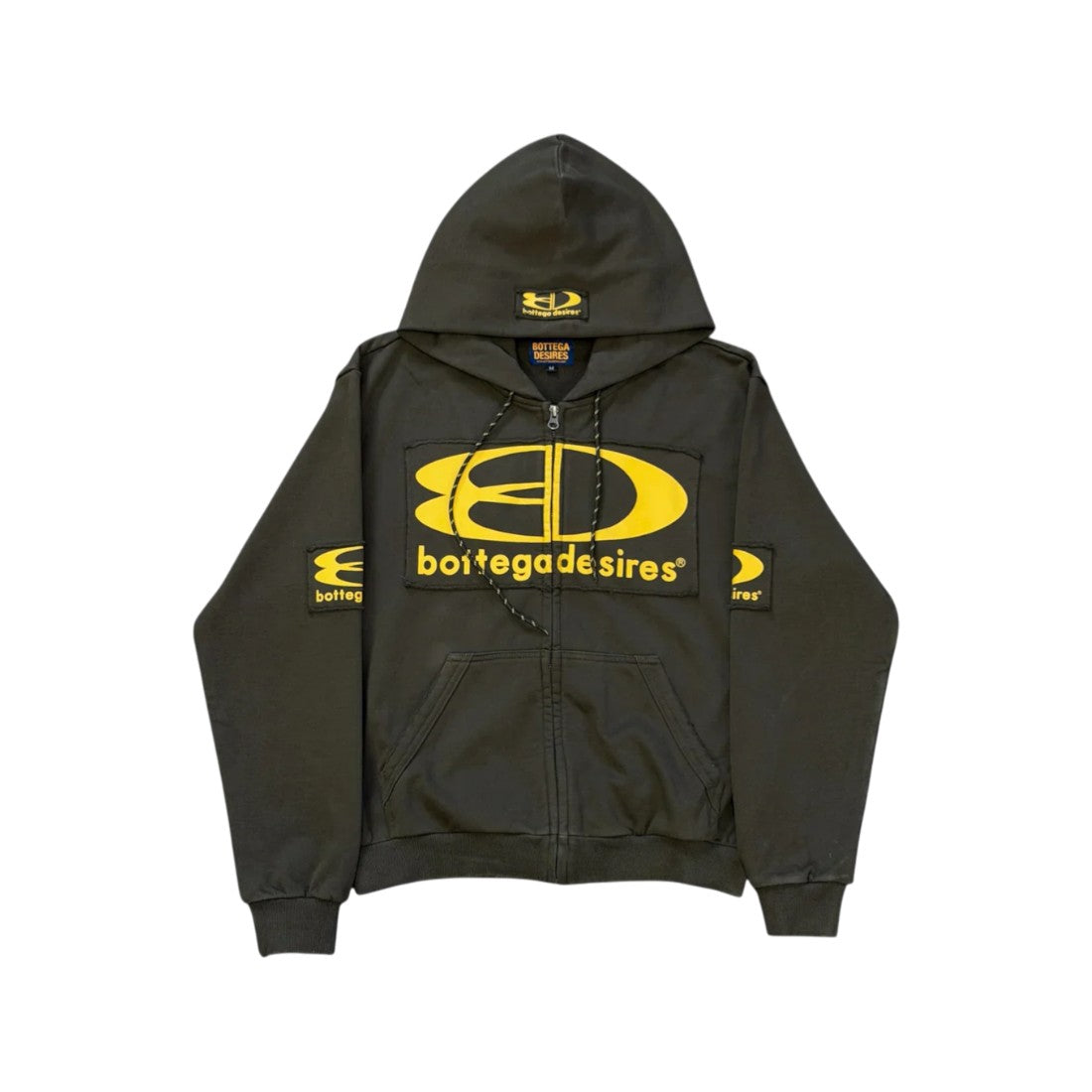
Bottega Desires as a brand markets itself as a informal, urban-styled label rather than a formal-attire or leather-goods maker. Its product range is built around casual basics: graphic shirts, cotton-based shorts, hoodies with heavyweight fleece construction, and relaxed-fit jorts with a denim-like feel. Combining affordable price points with a name reminiscent of recognizable Italian fashion signals is the source of its appeal, and this naturally invites the label being set against Bottega Veneta.
The recurring takeaway for shoppers going through a review of Bottega Desires prior to buying is that the brand markets itself as casual, wearable style, rather than investment-grade luxury. That means the purchase decision rests on different criteria than it would for a $3,000 leather bag. Fit, fabric weight, print durability, and shipping reliability matter more bottega desires hoodies here than resale value or claims of heritage craftsmanship. Reviews often point out that Bottega Desires hoodie drops and Bottega Desires shirt releases are targeted at a youthful, trend-focused crowd who wants a standout style without spending luxury-brand-level money.
It’s also worth noting that Bottega Desires operates independently of Bottega Veneta’s corporate structure, design studios, and retail network. There’s no shared ownership, no shared factories, and no shared product development pipeline. The naming overlap is a marketing choice, not a corporate one, and shoppers should treat the two as fully separate entities when evaluating quality claims or warranty expectations.
A Benchmark for Heritage: Bottega Veneta
Back in 1966, Bottega Veneta came into existence in Vicenza, Italy, and the house built its standing on intrecciato — a woven leather technique that remains the house’s most iconic signature almost sixty years on. The house sits within Kering, one of the world’s biggest luxury groups, alongside houses like Gucci and Saint Laurent. That corporate backing funds runway shows, flagship boutiques in cities like Milan, Paris, and New York, and a level of quality control that comes with decades of established leatherworking expertise.
Bottega Veneta’s core categories are leather handbags, footwear, and ready-to-wear, with price points that reflect its luxury-house status — handbags commonly run into the thousands of dollars, and even smaller leather goods rarely dip below a few hundred. The brand does produce casual and streetwear-adjacent pieces each season, but even those sit within a luxury pricing tier, not a budget-friendly one. This is one of the clearest structural differences when people search bottega veneta desires expecting some kind of official collaboration or sub-line — no such formal connection exists between the two brands.
Bottega Desires against Bottega Veneta: Head-to-Head Look
Most shoppers pay attention to certain categories when trying to decide between the two brands, or trying to understand why they keep showing up in the same search results, and the table below lays out exactly that. Laying the two labels next to each other makes the functional gaps more digestible than wading through paragraphs of write-up.
| Category | Bottega Desires | Bottega Veneta |
|---|---|---|
| Founded | Just recently introduced as an contemporary streetwear label, new to the market | Dating back to 1966, based in Vicenza, Italy |
| Product Range | Streetwear staples including hoodies, shirts, shorts, jorts | An assortment of leather handbags, footwear, and ready-to-wear |
| Ownership Status | An autonomous label in the streetwear space | Owned by Kering |
| Pricing Tier | Affordable-to-moderate streetwear pricing | Premium price points, with four to five figures common |
| Signature Element | Bold graphics, casual fits, street-style branding | A signature braided-leather approach known as Intrecciato |
| Sales Channels | Sold largely through online storefronts, direct-to-consumer | Distribution spanning flagship boutiques and approved luxury retailers |
| Intended Audience | A casual-fashion and streetwear-oriented customer base | Shoppers seeking luxury goods, as well as collectors |
One fact stands out clearly from the table: these are two brands serving different wardrobes and different budgets. Someone in search of a relaxed weekend hoodie is almost never weighing the same trade-offs as someone considering a investment-grade leather bag, even if a search engine happens to show both names on the same results page.
Our Range of Hoodies, Broken Down
Rather than being designed for special occasions, Bottega Desires clothes gravitate strongly toward pieces intended for regular use. Bottega Desires’ hoodie range commonly relies on heavier cotton-blend fleece, designed for cooler weather and layering, with branded graphics or stitched emblems as a main visual feature. Buyers seeking something less bulky often lean toward the Bottega Desires shirt options, which tend to lean toward relaxed cuts and eye-catching print designs over slim, structured shapes.
Turning to the bottoms category, these two Bottega Desires bottoms styles serve two distinct lifestyle needs. On the other hand, the jorts draws on a denim-inspired aesthetic that’s become widely favored across the wider streetwear world, not just this one label, whereas the shorts in the lineup generally serve hot-climate or sporty-casual needs. Both lines carry pricing meant for stocking up rather than a lone statement purchase, which matches the brand’s positioning within casual wardrobing.
Bottega Veneta’s product range, by comparison, hardly ever includes jorts or graphic hoodies as defining seasonal statements. When the luxury house does release casualwear, it’s typically minimal in logo use, made with high-end materials, and priced well above streetwear standards. The heart of the bottega desires vs bottega veneta conversation comes down to this divergence in creative approach — bold graphics and accessible pricing set against understated luxury and premium materials.
What Shoppers Should Know About How Pricing Works
Browsing an actual listing, you’ll discover that price is often the most immediate giveaway between the two labels. Bottega Desires products are priced for regular, low-stakes shopping — the sort of purchasing experience where a shopper could order a hoodie, a pair of shorts, and a shirt in one order without a second thought about budget. Bottega Veneta exists within an entirely different pricing bracket, where one product often costs more than a full seasonal collection of clothing from a streetwear label.
The difference carries weight because it shapes shopper anticipation. A Bottega Desires review focused on stitching density or leather grain quality is asking the wrong questions of a streetwear brand — the more useful measures are fabric weight, print longevity after washing, and true-to-size fit. By contrast, Bottega Veneta buyers are generally sizing up leather sourcing, hardware finish, and long-term resale value — priorities that don’t map onto a cotton hoodie or jort in the same way.
Delivery windows, return rules, and size charts also usually differ substantially between a streetwear brand selling directly to shoppers and a major luxury retailer running its own flagship shops. Buyers should always check the brand’s own dedicated sizing information and shipping policy before completing purchase instead of assuming standard sizing rules apply to either brand, as sizing can shift considerably between everyday streetwear cuts and precisely tailored luxury garments.
Choosing What’s Right for Your Own Wardrobe
The core question, when choosing between the pair, is which void you’re hoping to close in your wardrobe. If you want casual daily pieces — hoodies to layer up, shorts for the hotter season, graphic shirts, and casual-feeling denim jorts — Bottega Desires garments are designed around exactly that need and priced accordingly. If instead you want a leather bag worth investing in or shoes designed to go the distance and retain their resale worth, Bottega Veneta’s emphasis on craftsmanship and premium market stance are the smarter match.
Neither brand is trying to replace the other, notwithstanding the name similarity that continues to spark comparisons. Bottega Desires fills a streetwear niche with accessible pricing and on-trend styling, while Bottega Veneta remains anchored in generations of leather-craft tradition and a premium retail network. The choice is far less complicated than the search results initially suggest once you know which category you actually need — casual daily wear or an investment in lasting luxury.
Categories
Link Factory verification
AMIRI Manufacturing, Label by Label: USA, Italy and Vietnam
The most repeated claim about this brand is that everything it sells is made in Los Angeles. It is false, and the truth behind it is more interesting than the myth. Country of origin varies by style, and the brand states it openly on its own product pages. Core denim and one core jersey piece are made in the United States; one of the core tees is made in Italy; the signature sneakers are made in Vietnam. Far from being a compromise or a secret, that split reflects a simple fact, that hand-finished denim and moulded footwear are different industries with different supply chains. Knowing which label belongs on which product is worth the effort for anyone who buys amiri clothing regularly, because it matters for authentication and not only for curiosity.
Where the Los Angeles claim began
The Los Angeles identity is real, which is exactly why the blanket version of it spreads so easily. The founder is Mike Amiri, the house is headquartered in Los Angeles, and its own About page says he established the label in his hometown. The debut landed as an exclusive capsule for the Los Angeles concept store Maxfield, and the first permanent boutique opened on Rodeo Drive in Beverly Hills in 2020. The founding year is itself not settled: the brand, the CFDA and its Italian investor all date the label to 2014, while a press release from December 2014 dates it to 2013 and describes it as founded in partnership with Maxfield. None of it constitutes a manufacturing map, and treating a brand’s home city as its sole factory address is a category error. One related number also needs correcting, because the brand’s own store list shows roughly thirty-three boutiques including those marked as coming soon, while the widely circulated figure of one hundred and https://amirishop.org/ ninety-five stores conflates owned shops with wholesale doors.
What individual style labels say in practice
The simplest way to settle the question is to read the origin line on specific products instead of generalising about the house. The verified picture below comes from the brand’s own product pages for core styles, which state origin explicitly. Notice that the split is not random but tracks category and construction. Denim and the core hoodie sit in the United States, one core tee sits in Italy, another core tee is described specifically as made in Los Angeles, and both current bones-motif sneakers sit in Vietnam. The MA Bar Logo Tee and the MA Core Logo Tee are also two separate products with two different stated origins, and that distinction escapes a great many write-ups. What the table gives you is a snapshot of confirmed styles rather than a complete manifest, because no full origin index across the collection is published by the brand.
| Style name | Product category | Origin as stated |
|---|---|---|
| MX1 Jean | Core denim | Made in USA |
| Stack Jean | Denim jean | Origin: made in USA |
| MA Core Logo Hoodie | Jersey knit | Origin: made in USA |
| MA Bar Logo Tee | Jersey | Made in Los Angeles, CA |
| MA Core Logo Tee | Jersey | Origin: made in Italy |
| Skel Top Low | Footwear | Made in Vietnam |
| Skel Court Hi | Footwear | Stated as made in Vietnam |
Why the core denim is made in the United States
The brand exists because of denim, and denim is the category that stayed closest to home. The MX1 is a skinny five-pocket jean that is hand-distressed and then repaired with pleated ovine leather set into the worn areas, and it is stated as made in the USA. The other core pillar is the Stack, a skinny jean with a deliberate overdye and an intentionally long inseam, also stated as made in the USA. Work like that is finished by hand, piece by piece, the abrasion and repair settled as the garment is built rather than programmed in advance. Iteration is cheap and consistency is controllable when the process stays near the studio, which is the practical case for domestic production on a hand-finished product. A single nuance regularly causes muddle, because the fabric itself is Italian stretch denim while assembly happens domestically, and where cloth is woven is a separate question from where a jean is made.
Why the sneakers come from Vietnam
Making footwear is a different discipline, which is why almost no luxury brand builds sneakers in the same facilities it uses for cut-and-sew clothing. Lasting, moulded rubber tooling and vulcanised or cemented sole assembly need dedicated plants, and Vietnam is a mainstream location for exactly that work across the luxury market. The Skel Top Low is the model the brand itself calls its house signature sneaker, a leather basketball silhouette with hand-cut bone appliqués outlined in contrast topstitching, and it is stated as made in Vietnam. The Skel Court Hi is a separate shoe, a retro court silhouette on a cotton canvas upper carrying the same bones motif, and it is stated as made in Vietnam as well. Those two are frequently merged in write-ups, and the Stars Court is a third silhouette again, carrying star appliqués instead of bones. For buyers the practical takeaway is blunt, since a Vietnamese origin on amiri sneakers is the expected result and is not evidence of a counterfeit.
The Italian thread threaded through the story
Italy enters this brand’s story in three separate ways, and keeping them apart avoids a common muddle. First comes the fabric, since the core stretch denim used on the MX1 and the Stack is Italian, woven abroad and assembled domestically. Second comes production, because the MA Core Logo Tee is stated as made in Italy, which means at least part of the core jersey line is genuinely Italian-manufactured. Third, ownership: the Italian group OTB, chaired by Diesel founder Renzo Rosso, took a minority stake in 2019, with deal terms never disclosed and the founder retaining majority ownership and control. There is also a Milan boutique, reported as the brand’s first permanent European store. None of that turns it into an Italian or a Parisian house, since it remains a Los Angeles label that has shown at Paris Fashion Week since 2018.
What this means when you buy amiri online
The practical payoff of knowing the origin split is that it stops you making two opposite mistakes. Mistake one is rejecting a genuine pair of amiri sneakers because the label says Vietnam, a move that happens constantly in resale disputes and is simply wrong. The second is accepting a suspect jean because the label says USA, when the label is the single easiest thing on the garment to reprint. Sellers who write listing copy from blog articles rather than from the item in hand will often claim Los Angeles manufacture across an entire catalogue, and that mismatch is itself a small warning sign. Comparing an amiri hoodie or a pair of amiri jeans across several sellers means asking for a photograph of the interior origin and care labelling instead of accepting a written claim. Put that question before price negotiation rather than after, since it is the cheapest question in the whole process.
What origin can and cannot tell you
Since production is split by style, country of origin on its own cannot authenticate this brand. Its value is as a matching test, where you ask whether the stated origin belongs to that specific style. An Italian label on a core jean, or a United States label on a Skel-Top, is the sort of mismatch worth acting on, while the country by itself proves nothing in either direction. Packaging deserves even less weight, since boxes, dust bags and swing tags are the easiest elements in the entire product to counterfeit and should never carry the decision. The signals that survive scrutiny are provenance and the character of the hand-finishing, with components and labels supporting them rather than replacing them. Buy from the brand’s own website, from its boutiques or from a retailer named on its published stockist list, keep the invoice, and treat any outlet claim as disqualifying on its face.
Online casinos have become increasingly popular in recent years, offering players the opportunity to enjoy their favorite games from the comfort of their own home. One of the most popular options for players is the online casino 10 euro game, which allows players to wager as little as €10 on their favorite games. In this article, we will explore